





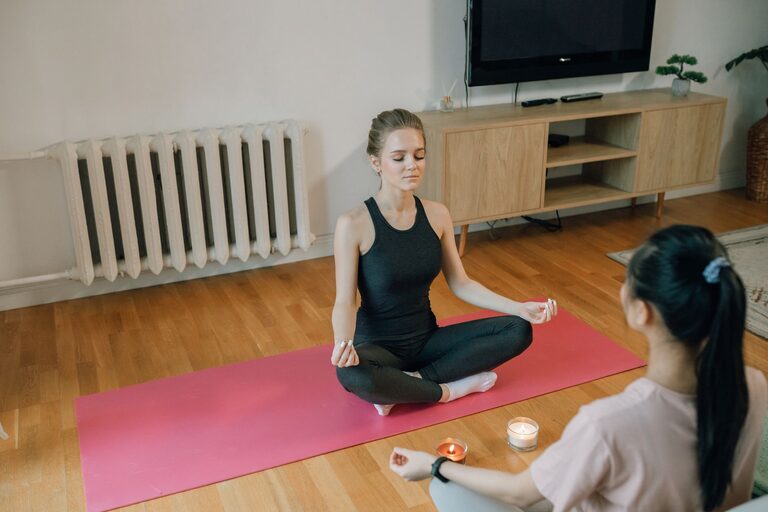
Mindful breathing breaks are simple pauses that help you reconnect with the present moment. Instead of rushing from one task to the next, you take a little time to notice your breathing, body, and surroundings.
You do not need special equipment, a quiet room, or a large block of free time. A breathing break can last one minute at your desk, during a walk, or before starting an important task. The goal is not to force yourself to feel a certain way. It is simply to pause, pay attention, and give yourself a moment to reset.
What Is a Mindful Breathing Break?
A mindful breathing break is a short period of intentional attention. You notice the natural movement of your breath without trying to control it too much.
You may observe:
– The feeling of air moving through your nose
– The rise and fall of your chest or belly
– The length of each inhale and exhale
– Sounds, sensations, or thoughts that appear
– Changes in your body as you slow down
Your mind will probably wander. That is normal. Each time you notice that your attention has drifted, gently return it to your breathing. This return is an important part of the practice.
Start With a Manageable Goal
Beginners often make the mistake of starting with a long session. A better approach is to make the habit easy to repeat.
Try one of these starting points:
– One minute in the morning
– Three slow breaths before opening email
– Two minutes during a midday break
– Five breaths before a meeting
– One short pause before going to bed
A small practice can be more useful than an ambitious plan you rarely follow. Once a one-minute break feels familiar, you can gradually add more time if you want to.
Choose a Simple Breathing Position
You can practice mindful breathing almost anywhere. Choose a position that feels comfortable and allows you to stay reasonably alert.
Sitting
Sit in a chair with both feet on the floor. Let your hands rest on your lap or by your sides. You can sit upright without making your posture stiff.
Standing
Standing can be helpful when you feel sleepy or when you are taking a break at work. Let your shoulders relax and keep your knees comfortably loose.
Walking
You can notice your breathing while taking a slow walk. Pay attention to the rhythm of your steps and the movement of your breath. There is no need to match every step to a specific part of the breath.
Lying Down
A lying-down position may feel relaxing, especially in the evening. However, if you tend to fall asleep, sitting may be a better choice for daytime practice.
Try a One-Minute Breathing Break
This simple exercise is a useful place to begin:
- Pause and settle into a comfortable position.
- Notice where you feel your breathing most clearly.
- Take an easy, natural inhale.
- Notice the exhale without forcing it.
- Continue observing the next few breaths.
- If your mind wanders, acknowledge it and return to the breath.
- At the end, notice how you feel before continuing your activity.
There is no need to breathe in a special way. Natural breathing is enough. If you choose to slow your breathing, do so gently and comfortably.
Use the Exhale as an Anchor
Some people find it easier to focus on the exhale because it provides a clear point of attention. You might quietly notice words such as “in” and “out,” or “inhale” and “exhale.”
You can also count a few breaths:
– Inhale and exhale: one
– Inhale and exhale: two
– Continue to five
– Start again at one
Counting is not a test. If you lose track, simply begin again. The purpose is to support attention, not to achieve a perfect score.
Let Your Breathing Stay Comfortable
Mindful breathing should feel gentle and sustainable. Avoid trying to take unusually deep breaths or hold your breath for long periods. More effort does not necessarily make the practice better.
If you feel uncomfortable, lightheaded, or tense, return to your normal breathing and stop the exercise if needed. You can also shift your attention to your feet on the floor, your hands, or the sounds around you.
The practice should fit your comfort level. There is no single correct breathing pattern for everyone.
Create Helpful Triggers
A regular reminder can make mindful breathing easier to remember. Connect your break to something you already do each day.
Useful triggers include:
– After making your morning drink
– Before starting a work session
– When you sit in your car
– After using the restroom
– Before eating lunch
– When you notice yourself switching between tasks
– Before turning off the lights at night
You can also set a gentle phone reminder. Keep the alert simple and choose a label such as “Pause and breathe.” The reminder is there to support the habit, not to create pressure.
Practice During Everyday Transitions
You do not have to wait for a stressful moment to take a breathing break. Transitions are often the easiest times to practice because you are already moving from one activity to another.
Try pausing:
– Before answering a phone call
– After finishing a meeting
– Before entering your home
– While waiting for a webpage to load
– Before beginning a difficult household task
– After closing your laptop
A few mindful breaths can help mark the end of one activity and the beginning of another. This can make your day feel less like one long, uninterrupted rush.
Handle Wandering Thoughts With Patience
Thoughts will appear during your practice. You may remember a task, replay a conversation, or start planning the rest of your day. This does not mean you are doing the exercise incorrectly.
When you notice a thought, try this simple process:
- Recognize that your attention has wandered.
- Avoid criticizing yourself.
- Briefly label the thought as “planning,” “remembering,” or “worrying.”
- Return your attention to the next breath.
You are practicing the ability to notice and redirect attention. Each return is a successful repetition, not a failure.
Keep a Short Practice Log
A brief record can help you understand what works best. You might write down:
– When you practiced
– How long the break lasted
– Where you practiced
– What felt easy or difficult
– How you felt afterward
Keep the notes simple. The purpose is to learn about your routine, not to judge your performance. You may discover that certain times, places, or activities make mindful breathing more natural.
Make the Habit Flexible
Some days will be busy, noisy, or unpredictable. A flexible practice is more likely to last than a strict routine.
If you miss a planned break, restart at the next available opportunity. If you have only ten seconds, take one conscious breath. If sitting quietly feels difficult, practice while walking or doing a simple task.
Mindful breathing is not about creating another obligation. It is a practical way to make room for awareness during an ordinary day.
Final Thoughts
The best beginner breathing break is one that feels simple enough to repeat. Start with a minute, keep your breathing comfortable, and use everyday transitions as reminders. When your attention wanders, return gently without judging yourself.
Over time, these brief pauses can become a familiar part of your routine. You may begin to notice moments when you naturally slow down, check in with yourself, and approach the next task with greater intention.



More Stories