





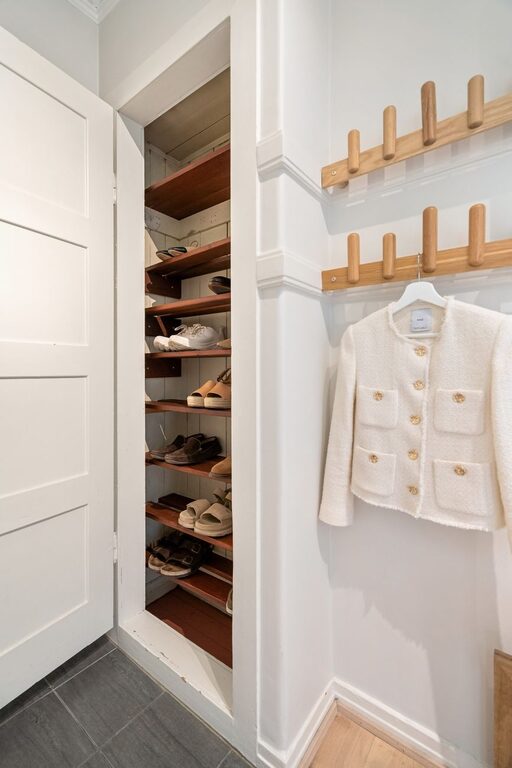
Your entryway is the first part of your home that you see when you walk in, and the last place you pass before heading out. Because it handles so many daily items—shoes, coats, bags, mail, keys, and more—it can quickly become cluttered.
The good news is that an organized entryway does not require a large budget or a major renovation. With a few practical storage solutions and simple habits, you can create a space that feels neat, welcoming, and easy to use.
Start by Clearing the Clutter
Before adding baskets, hooks, or shelves, remove everything from the entryway. Place the items on the floor or a nearby surface so you can see what is really taking up space.
Sort everything into three groups:
– Items that belong in the entryway
– Items that belong somewhere else
– Items that can be donated, recycled, or discarded
Be selective about what returns to the space. An entryway works best when it contains only the things you use regularly when leaving or entering your home. Seasonal items, rarely used accessories, and extra shoes may be better stored in a closet or bedroom.
This first step also gives you a chance to clean the floor, wipe down surfaces, and remove dust from corners.
Create a Drop Zone for Daily Items
A drop zone is a designated place for the belongings you carry every day. It prevents items from being left on the floor, stairs, or nearby furniture.
Depending on the size of your entryway, a drop zone might include:
– A small tray for keys and sunglasses
– A basket for wallets or small accessories
– Hooks for bags and jackets
– A shelf for mail
– A charging station for phones and other devices
Keep the most frequently used items within easy reach. If something is difficult to put away, it is less likely to stay organized.
A simple tray can make a big difference. Instead of placing keys on several different surfaces, everyone in the household can return them to one location. Choose a tray with raised edges to keep small objects from sliding away.
Use Wall Space Wisely
When floor space is limited, look up. Walls offer valuable storage without making a narrow entryway feel crowded.
Add Hooks
Hooks are one of the easiest ways to organize coats, hats, scarves, umbrellas, and bags. Install them at a comfortable height for the people who use them. If children share the space, add a second row of lower hooks for their coats and backpacks.
Choose hooks that are strong enough for the items you plan to hang. For a cleaner appearance, use matching hooks. For a more casual look, mix different styles that complement the rest of your home.
Avoid installing too many hooks. Leaving some empty space makes the entryway look calmer and provides room for guests’ belongings.
Install a Narrow Shelf
A narrow wall shelf can hold a key tray, small storage boxes, or decorative items. Select a shelf that does not extend too far into the walking path.
If you have young children or pets, secure the shelf properly and avoid placing fragile objects where they can easily fall. A shelf with a small lip can help keep items in place.
Make Shoe Storage Simple
Shoes are often the biggest source of entryway clutter. A storage system should make it easy to put shoes away without requiring much effort.
Consider these options:
– A low shoe rack for everyday footwear
– Open cubbies for individual pairs
– A bench with storage underneath
– Baskets for slippers or seasonal shoes
– A slim cabinet for a more streamlined look
Keep only the shoes that are currently in regular use near the door. Store special-occasion shoes and out-of-season footwear elsewhere.
If you use an open rack, create a simple rule: each person may keep a limited number of pairs there. This prevents the rack from becoming an overflow area.
A bench can serve two purposes. It provides a comfortable place to sit while putting on shoes and can also hide baskets or bins underneath. Choose a size that leaves enough room for people to move through the entryway safely.
Organize Coats and Accessories by Season
Keeping every coat, hat, and scarf near the front door can quickly fill available storage. Rotate items as the weather changes.
At the start of each season, move out-of-season accessories to a closet or labeled storage bin. Keep the current season’s most-used items in the entryway.
You can also group accessories by type:
– Hats and gloves in one basket
– Scarves on a set of hooks
– Rain accessories near the door
– Reusable shopping bags in a larger bin
Labeling baskets can help family members find what they need and return items to the right place. If you prefer a less formal look, use open baskets and organize them by category instead of adding labels.
Set Up a Mail and Paper Station
Mail can make an entryway look messy within minutes. Create one designated spot for incoming papers.
A wall-mounted file holder, small basket, or letter tray can work well. Use separate sections for:
– Mail to review
– Items that need action
– Papers to take to another room
Try to sort mail as soon as you bring it inside. Recycle unwanted envelopes and advertisements immediately, and move important papers to their proper location. This small habit prevents piles from building up.
Avoid keeping sensitive or important documents in an open entryway basket for long periods. Move them to a more secure place after sorting.
Add a Mirror and Good Lighting
A mirror can make an entryway feel brighter and more spacious. It is also useful for a quick check before leaving the house.
Hang the mirror where it is easy to use without blocking hooks, doors, or walkways. A narrow vertical mirror works well in a small space, while a larger horizontal mirror can fit above a console table.
Good lighting is equally important. If the entryway feels dark, add a table lamp, wall light, or brighter bulb. A well-lit space is easier to keep clean and makes storage areas more visible.
Choose Storage That Fits Your Space
The best organization system is one that matches the size and layout of your entryway. Measure the available area before buying furniture or storage containers.
For a small entryway, consider:
– Slim wall hooks
– A floating shelf
– A narrow shoe cabinet
– Stackable baskets
– An over-the-door organizer
For a larger entryway, you may have room for:
– A storage bench
– A console table
– A coat rack
– Tall cabinets
– Larger baskets or cubbies
Keep walkways clear, especially near doors and stairs. Storage should make the space easier to use, not create a new obstacle.
Make Organization a Daily Habit
Even the best system will not stay tidy without a few simple routines. Encourage everyone in the household to follow the same basic habits:
– Put keys in the tray after coming home
– Hang coats instead of dropping them on a chair
– Return shoes to the rack
– Sort mail immediately
– Remove items that do not belong in the entryway
– Do a quick five-minute reset each evening
A short daily reset is often more effective than waiting for the space to become overwhelming. Before going to bed, return misplaced items, straighten baskets, and clear the floor.
Once a week, take a closer look at the entryway. Remove empty packaging, relocate forgotten items, and check whether the storage system still works for your household.
Keep the Look Welcoming
An organized entryway can also reflect your personal style. Add one or two decorative touches, such as a small plant, framed artwork, or a simple rug.
Choose easy-to-clean materials, especially if the entryway receives heavy traffic. A washable rug can help protect the floor and define the space. Avoid adding so many decorations that they compete with the storage areas.
The goal is a balance between function and comfort. With a clear drop zone, practical storage, and a few easy routines, your entryway can stay organized and welcoming every day.


More Stories