





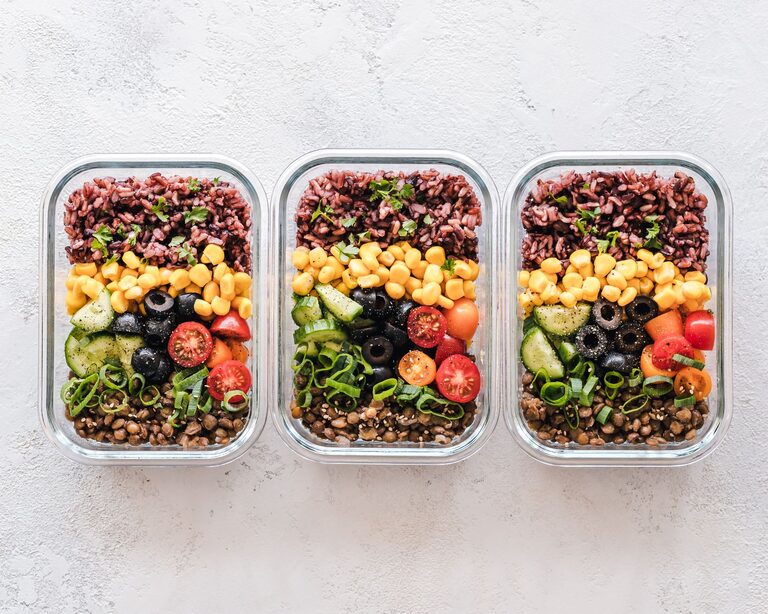
Planning balanced meals does not have to mean following a strict schedule, measuring every ingredient, or cooking something completely different each day. A simple plan can help you choose a variety of foods, use what you already have, and make mealtimes easier.
The goal is to create meals that are satisfying, flexible, and realistic for your routine. With a few basic habits, you can plan ahead without adding unnecessary stress.
Start With a Simple Meal Formula
A helpful starting point is to build most meals from a few food groups. This creates variety without requiring a complicated recipe or detailed calculations.
Try including:
– A protein source: Beans, lentils, eggs, yogurt, tofu, fish, chicken, or other foods you enjoy
– A vegetable or fruit: Fresh, frozen, or canned options can all work
– A carbohydrate: Rice, potatoes, oats, pasta, bread, corn, or another grain
– A source of healthy fat: Nuts, seeds, avocado, olive oil, or nut butter
You do not need every category in exactly the same amount at every meal. Instead, use the formula as a guide. For example, a bowl might include rice, roasted vegetables, black beans, and avocado. A breakfast could include oatmeal with yogurt, berries, and nuts.
This approach is flexible enough for different cuisines, budgets, and preferences.
Plan Only a Few Days at a Time
Planning an entire month of meals may sound organized, but it can quickly become overwhelming. Begin with three or four days, especially if you are building a new routine.
A short plan allows you to:
– Adjust to changing schedules
– Use fresh ingredients before they spoil
– Avoid repeating meals you do not enjoy
– Learn how much food your household actually needs
– Make planning feel manageable
Once short-term planning becomes easy, you can expand to a full week if it suits you. There is no need to plan further ahead than your lifestyle requires.
Choose Flexible Meals
The easiest meals to plan are those that can be changed based on what you have available. Flexible meals also help reduce food waste.
Good options include:
Grain Bowls
Combine a grain, protein, vegetables, and a sauce or topping. Try rice with roasted vegetables and beans, or quinoa with chicken, greens, and a simple dressing.
Sheet Pan Meals
Place vegetables and a protein on one pan, season them, and cook them together. You can serve the result with bread, potatoes, rice, or tortillas.
Soups and Stews
Soups are useful for combining vegetables, beans, grains, and proteins in one dish. They can often be made in large batches and stored for later.
Tacos and Wraps
Set out a few fillings and toppings so each person can create a meal they enjoy. Leftover vegetables, beans, cooked meat, cheese, salsa, and greens can all work well.
Mix and Match Plates
Prepare a few basic ingredients, then combine them in different ways throughout the week. For example, cooked rice, roasted vegetables, boiled eggs, and hummus can become a bowl, wrap, or side dish.
Make a Short Grocery List
A short, organized grocery list is easier to use than a long list created without a plan. Before shopping, check your refrigerator, freezer, and pantry. Make a note of ingredients that need to be used soon.
Then organize your list by category:
– Produce
– Proteins
– Grains and other carbohydrates
– Dairy or dairy alternatives
– Pantry items
– Snacks and extras
Choose a few ingredients that can be used in more than one meal. For example, a bag of spinach could be added to eggs, pasta, sandwiches, and soup. A container of cooked grains could be used for bowls, side dishes, or a quick stir-fry.
Buying versatile ingredients helps you save money and reduces the number of items that sit unused.
Use Convenience Foods When Helpful
Balanced meal planning does not require preparing everything from scratch. Convenience foods can make cooking more realistic on busy days.
Consider using:
– Frozen vegetables
– Prewashed salad greens
– Canned beans
– Ready-to-cook grains
– Rotisserie chicken
– Jarred sauces
– Plain canned fish
– Precut fruit and vegetables
Check labels and choose products that fit your preferences. The best choice is often the one you will actually use. A frozen vegetable that can be prepared in minutes may be more useful than fresh produce that gets forgotten.
Prepare Ingredients Instead of Full Meals
Some people enjoy batch cooking, while others do not want to eat the same meal several days in a row. Preparing ingredients instead of complete meals offers a middle ground.
You might:
– Cook a pot of rice or another grain
– Roast a tray of vegetables
– Wash and chop salad ingredients
– Prepare a simple sauce
– Cook a batch of beans, eggs, or another protein
– Portion snacks into containers
These steps reduce the amount of work needed at mealtime while leaving room for variety. You can combine the ingredients differently each day and adjust portions based on your appetite and schedule.
Create a List of Reliable Meals
Keep a list of meals that are quick, familiar, and easy to prepare. This list can help when you are tired or do not feel like making decisions.
Your list might include:
– Vegetable omelets with toast
– Pasta with vegetables and beans
– Rice bowls with leftover ingredients
– Baked potatoes with toppings
– Soup with a sandwich
– Yogurt with fruit and oats
– Stir-fried vegetables with eggs or tofu
– Whole-grain wraps with chicken or hummus
Reliable meals do not need to be exciting every time. Their value is that they make busy days easier. You can add variety by changing seasonings, sauces, toppings, or side dishes.
Leave Room for Snacks and Flexible Choices
A meal plan should support your life, not control it. Include snacks and easy alternatives, especially on days when meals may be delayed.
Simple snack ideas include:
– Fruit with nut butter
– Yogurt with granola
– Vegetables with hummus
– Cheese with crackers
– Nuts and dried fruit
– A smoothie
– Toast with avocado or eggs
It is also helpful to leave one or two meals unplanned. You might eat leftovers, order food, visit friends, or use ingredients that need attention. Flexibility makes a plan more sustainable.
Make the Plan Visible
Write your plan where everyone in the household can see it. A note on the refrigerator, a shared phone list, or a simple calendar can work well.
Include:
– Planned meals
– Ingredients that need to be used first
– Prep tasks
– Days for leftovers
– A flexible meal or dining-out option
Keep the format simple. The purpose is to reduce mental effort, not create another task to maintain.
Review What Worked
At the end of the week, take a few minutes to review your plan. Ask yourself:
– Which meals were easiest to prepare?
– Which ingredients were left unused?
– Did the plan include enough variety?
– Were the portions and amounts practical?
– What would make next week simpler?
Use the answers to improve gradually. You may discover that you need fewer recipes, more freezer items, smaller shopping trips, or additional quick meals.
Keep the Goal Practical
Balanced meal planning is not about perfection. Some days will include leftovers, takeout, simple snacks, or meals assembled from whatever is available. That is normal.
Focus on small habits that make eating well more convenient:
- Use a simple meal formula.
- Plan a few days ahead.
- Buy flexible ingredients.
- Prepare a few basics.
- Keep reliable meals on hand.
- Leave room for changes.
When your plan is flexible and realistic, balanced meals become easier to manage. The best system is one that fits your schedule, supports your preferences, and reduces stress rather than adding to it.




More Stories
How to Plan Easy Meals From Pantry Staples