





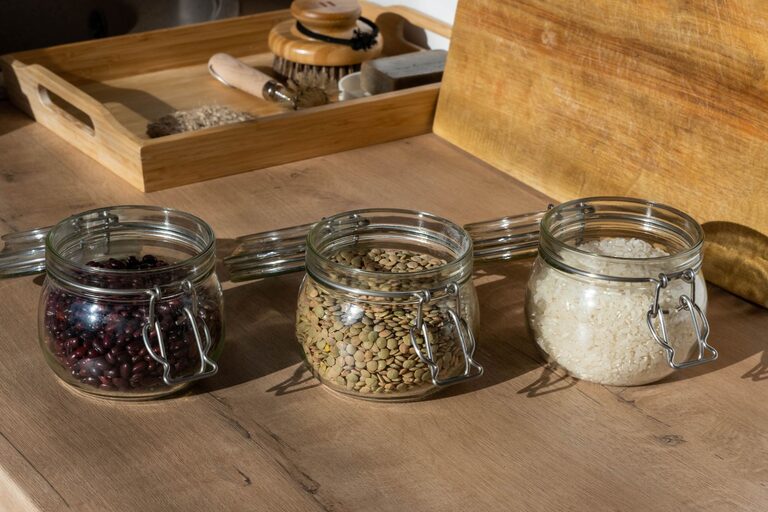
Planning meals from pantry staples is a practical way to make cooking easier, reduce grocery trips, and use what you already have. A well-stocked pantry can provide the foundation for many meals, especially when you combine shelf-stable ingredients with a few fresh or frozen foods.
You do not need a large pantry or complicated recipes. The key is to understand what you have, choose a few flexible meal ideas, and shop only for the ingredients that complete them.
Start With a Pantry Inventory
Before planning your meals, take a quick look at your shelves, refrigerator, and freezer. Group similar items together and make a simple list of what needs to be used soon.
Common pantry staples include:
– Rice, pasta, oats, and other grains
– Canned beans, tomatoes, corn, and vegetables
– Lentils, split peas, and dried beans
– Flour, breadcrumbs, and baking mixes
– Peanut butter, nuts, and seeds
– Broth, canned coconut milk, and jarred sauces
– Cooking oils, vinegar, and basic seasonings
Also note refrigerated and frozen items that can support several meals. Eggs, cheese, onions, carrots, frozen vegetables, and tortillas are especially useful because they work in many different dishes.
Check expiration dates as you go. Place older items toward the front so they are easier to remember and use. If you find several half-used packages, consider planning a meal around them.
Build Meals Around a Simple Formula
A simple meal formula makes it easier to combine ingredients without following a specific recipe. Start with one main staple, add a protein, include a vegetable, and finish with a sauce or seasoning.
For example:
– Grain + beans + vegetables + salsa
– Pasta + canned tomatoes + lentils + herbs
– Tortillas + eggs + beans + cheese
– Rice + canned tuna + frozen vegetables + soy sauce
– Oats + peanut butter + fruit + cinnamon
This approach keeps meals balanced in texture and flavor while allowing you to substitute ingredients. If you do not have rice, use pasta or another grain. If a recipe calls for chickpeas, black beans or lentils may work just as well.
Choose a Few Flexible Base Ingredients
When planning a week of meals, select two or three base ingredients that can appear in different dishes. Rice, pasta, potatoes, tortillas, and bread are all useful choices.
For example, cooked rice can become:
– A rice and bean bowl
– Fried rice with eggs and vegetables
– A tomato-based rice casserole
– A filling for burritos or stuffed vegetables
Pasta can be served with tomato sauce one day, mixed with tuna and vegetables another day, or baked with cheese and leftover ingredients. Using the same base in different ways reduces preparation time without making every meal feel identical.
Pick Pantry-Friendly Proteins
Protein does not always need to come from fresh meat. Pantry and freezer ingredients offer many convenient options.
Useful choices include:
– Canned beans and lentils
– Dried beans and split peas
– Canned fish or chicken
– Peanut butter and other nut or seed butters
– Eggs
– Frozen tofu or plant-based foods
– Shelf-stable dairy alternatives
Canned beans can be rinsed and added to soups, salads, wraps, pasta, or grain bowls. Lentils cook quickly and work well in stews, sauces, and fillings. Peanut butter can be used in oatmeal, sandwiches, sauces, and simple noodle dishes.
When planning, choose at least two protein options so you can vary meals throughout the week.
Add Vegetables for Flavor and Variety
Fresh vegetables are helpful, but they are not the only option. Frozen and canned vegetables can be just as useful for quick meals.
Keep versatile choices such as these on hand:
– Frozen peas, corn, spinach, and mixed vegetables
– Canned tomatoes and pumpkin
– Jarred roasted peppers
– Onions and carrots
– Potatoes and sweet potatoes
– Pickles, olives, and sauerkraut
Canned tomatoes can form the base of soup, pasta sauce, chili, or a rice dish. Frozen spinach can be stirred into eggs, pasta, beans, or soup. Pickles and olives add strong flavor to sandwiches, salads, and grain bowls.
Try to include different colors and textures during the week. A crunchy topping, fresh herb, or spoonful of salsa can make a simple pantry meal more appealing.
Plan by Meal Type, Not Just by Recipe
Instead of choosing seven completely different recipes, plan a few meal types. This makes your grocery list shorter and gives you room to adjust.
A weekly plan might include:
– Two grain bowls
– One soup or stew
– One pasta meal
– One skillet meal
– One breakfast-for-dinner meal
– One leftover or flexible night
This method also helps prevent wasted ingredients. A pot of beans can be used in a bowl, soup, and wrap. Extra cooked vegetables can be added to eggs or pasta the next day.
Leave one or two meals unplanned. These can be used for leftovers, takeout, or a creative meal made from items that need attention.
Create a Small Flavor Toolkit
Basic seasonings can make the same ingredients taste completely different. Keep a few flavor combinations in mind when planning meals.
Italian-Inspired
Use canned tomatoes, garlic, oregano, basil, pasta, beans, or breadcrumbs. This combination works for pasta, soup, baked dishes, and skillet meals.
Southwestern-Inspired
Combine beans, corn, rice, tomatoes, chili powder, cumin, salsa, and tortillas. These ingredients can become bowls, tacos, quesadillas, or a layered casserole.
Asian-Inspired
Try rice or noodles with frozen vegetables, eggs, tofu, peanut butter, soy sauce, vinegar, or sesame seeds. A quick sauce can turn leftovers into a new meal.
Cozy and Savory
Use potatoes, lentils, broth, canned vegetables, onions, and herbs for soups, stews, and one-pot meals.
You do not need every seasoning. Choose a few that match the foods you already enjoy and use them consistently.
Write a Practical Grocery List
After checking your pantry and choosing meals, shop for only the ingredients that fill the gaps. Organize the list by category to make shopping faster.
Your list might include:
– Fresh produce: onions, greens, carrots, fruit, or herbs
– Refrigerated items: eggs, cheese, yogurt, or milk
– Frozen foods: vegetables, fruit, or prepared ingredients
– Pantry items: broth, spices, grains, or canned foods
Before adding an item, ask whether it can be used in at least two meals. For example, a bunch of spinach can go into pasta, eggs, and soup. A container of yogurt can serve as breakfast, a sauce, or a topping.
Prep a Few Ingredients Ahead
Small amounts of preparation can make pantry meals much easier during a busy week. Cook a pot of rice, wash vegetables, open and store leftover canned foods, or prepare a simple sauce.
You can also:
– Cook dried beans in advance
– Chop onions and carrots
– Portion nuts, oats, or snacks
– Make a batch of soup or tomato sauce
– Toast breadcrumbs or seeds for toppings
Store prepared ingredients properly and label them when needed. The goal is not to prepare every meal in advance. It is simply to make the next cooking step faster.
Keep a Flexible Pantry Plan
A pantry works best when it includes ingredients you regularly use. After each week, note which staples were especially helpful and which items remained untouched.
Replace frequently used foods before they run out, but avoid buying large quantities of ingredients your household rarely eats. Rotate older items forward and review your pantry every few weeks.
With a simple inventory, a few flexible formulas, and a short shopping list, pantry meal planning becomes easier and more creative. You can prepare satisfying meals from familiar ingredients while saving time, reducing waste, and making everyday cooking feel less stressful.




More Stories
How to Plan Balanced Meals Without Stress