





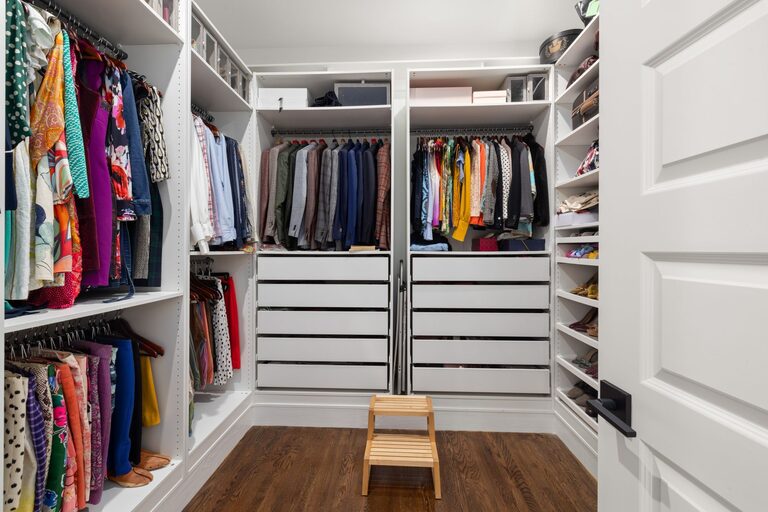
A tidy closet can make busy mornings easier, protect your clothing, and help you use the space you already have. The key is not organizing everything once and hoping it stays perfect. A closet stays organized when the system is simple, practical, and easy to maintain.
Whether you have a small reach-in closet or a spacious walk-in, these steps can help you create a setup that works for your daily routine.
Start With a Complete Closet Reset
It is much easier to organize a closet when you can see everything at once. Begin by removing all clothing, shoes, bags, and accessories. Place items on the bed, floor, or another clean surface.
As you empty the closet, group similar items together. For example, create separate piles for:
– Tops
– Pants and skirts
– Dresses and suits
– Sweaters and jackets
– Shoes
– Bags and accessories
– Seasonal or special-occasion items
This process may look messy at first, but it gives you a clear picture of what you own. It also makes duplicate items and forgotten pieces easier to spot.
Clean Before You Put Things Back
Take a few minutes to dust shelves, wipe rods, and vacuum or sweep the floor. A clean closet feels more inviting and helps protect your belongings.
If the space has a musty smell, improve airflow by leaving the door open periodically. Avoid placing damp clothing inside, as moisture can lead to unpleasant odors and damage.
Decide What Deserves Closet Space
Before returning everything to the closet, review each item. Ask yourself a few simple questions:
– Have I worn this in the past year?
– Does it fit comfortably?
– Is it in good condition?
– Does it suit my current lifestyle?
– Would I choose it again today?
Set aside items that no longer fit, need repairs, or are rarely worn. Create separate bags or boxes for donations, recycling, repairs, and items you want to pass along.
You do not need to make every decision immediately. If you are unsure about something, place it in a clearly labeled “maybe” box. Store the box outside the main closet area and review it again in a few months. This prevents uncertain items from taking up valuable space.
Organize Clothing by How You Use It
There is no single correct way to arrange a closet. The best method is the one that helps you find things quickly and put them away easily.
You might organize clothing by:
– Type, such as shirts, pants, and dresses
– Occasion, such as work, casual, or formal
– Color
– Season
– Frequency of use
A combination often works well. For example, arrange clothing by type first, then place the most frequently worn items toward the front. Within each category, sort by color if that helps you choose outfits more quickly.
Keep everyday items at eye level and within easy reach. Place special-occasion clothing, extra bedding, and seasonal pieces on higher shelves or in less accessible areas.
Use Matching Hangers
Matching hangers can make a closet look more orderly and help clothing hang evenly. Slim hangers are especially useful when space is limited because they take up less room than bulky plastic or wooden styles.
Use sturdy hangers for heavier items such as coats and jackets. Delicate clothing may need padded or shaped hangers to help maintain its form.
Try to face all hangers in the same direction. This small change makes the closet look neater and makes it easier to notice clothing that is not being used. You can also try the reverse-hanger method: turn every hanger backward, then turn it around after wearing an item. After several months, unused pieces will be easy to identify.
Make the Most of Vertical Space
Many closets have unused space above the clothing rod or below hanging garments. Use these areas to increase storage without overcrowding the floor.
Helpful options include:
– Stackable shelves
– Hanging shelf organizers
– Over-the-door racks
– Small storage bins
– Shoe organizers
– Hooks for bags, belts, or scarves
– Shelf dividers for folded clothing
Avoid stacking folded items too high. Tall piles tend to fall over and make it difficult to reach items at the bottom. Smaller stacks are easier to maintain and allow you to see what you have.
If you use storage bins, label them clearly. Labels reduce guesswork and help everyone in the household return items to the right place.
Fold Items the Same Way
A consistent folding method helps drawers and shelves stay neat. Fold sweaters, T-shirts, jeans, and workout clothing into similar shapes so they stack evenly.
For drawers, consider folding clothing vertically instead of laying it in tall piles. This allows you to see each item without moving everything else. Use small boxes or drawer dividers to separate categories such as socks, undergarments, and accessories.
Avoid overfilling drawers. When a drawer is too full, clothing becomes difficult to remove and put away. Leaving a little open space makes the system easier to use.
Create a Home for Shoes and Accessories
Shoes and accessories can quickly make a closet look cluttered because they come in many shapes and sizes. Give each category a specific location.
Keep frequently worn shoes near the floor or entrance of the closet. Store less-used pairs in labeled boxes or clear containers. If you use boxes, add a simple description or photo to the outside so you can find items without opening every container.
Use hooks or small organizers for:
– Belts
– Scarves
– Handbags
– Hats
– Jewelry
– Hair accessories
Avoid placing small accessories loose on shelves. A tray, basket, or divided container keeps them together and prevents them from getting lost.
Leave Room to Put Things Away
A closet needs open space to stay functional. If every shelf and rod is packed tightly, even a well-organized system will become difficult to maintain.
Aim to leave some room between hanging items and avoid filling every storage container to the top. Open space makes it easier to remove clothing without disturbing nearby items.
It is also helpful to keep one small basket or designated area for items that need attention, such as clothing that needs washing, repairs, or dry cleaning. Move those items along regularly so the basket does not become a permanent storage spot.
Build Simple Maintenance Habits
The best organization system is one you can maintain in a few minutes. Build small habits into your routine instead of waiting for a major cleanup.
Try these habits:
– Return clothing to its proper place after wearing it
– Put clean laundry away as soon as possible
– Remove one item when adding a new one
– Straighten shelves once a week
– Review seasonal clothing twice a year
– Keep donation bags in an easy-to-reach location
– Avoid dropping items on the closet floor
At the end of each season, move weather-specific clothing to less accessible storage. Before storing anything, make sure it is clean and completely dry. This helps keep items fresh and ready for the next season.
Keep the System Flexible
Your closet should support your life, not create extra work. If you constantly avoid a certain drawer, shelf, or container, the layout may need to change.
Pay attention to what becomes messy first. That area may need a different storage solution or fewer items. Reorganize when your schedule, wardrobe, or storage needs change.
A tidy closet does not have to look perfect at all times. It simply needs to make it easy to find what you need and return it when you are done. With fewer unnecessary items, practical storage, and a few consistent habits, your closet can stay organized with much less effort.



More Stories
Small Space Storage Ideas That Actually Work