





Small rooms do not have to feel crowded or disorganized. With the right storage approach, you can keep everyday items accessible while making your home look calmer and more spacious. The key is to use overlooked areas, choose furniture that does more than one job, and create a clear place for everything.
Whether you live in a studio apartment, a small house, or simply have one challenging room, these storage ideas can help you make better use of the space you already have.
Start With a Simple Storage Plan
Before buying containers or furniture, take a quick look at what needs to be stored. Group similar items together and decide how often you use them.
Keep frequently used items within easy reach. Store seasonal or rarely used belongings in higher, deeper, or less convenient places. If something has no clear purpose or has not been used in a long time, consider donating, recycling, or letting it go.
A simple storage plan can include:
– Daily items that need quick access
– Occasional items that can be stored away
– Seasonal belongings that need long-term storage
– Items that can be shared or stored together
– Things that no longer serve a purpose
This step prevents you from filling limited space with storage products you do not really need.
Use Vertical Space
When floor space is limited, look up. Walls, doors, and tall furniture can provide valuable storage without making a room feel smaller.
Install Tall Shelving
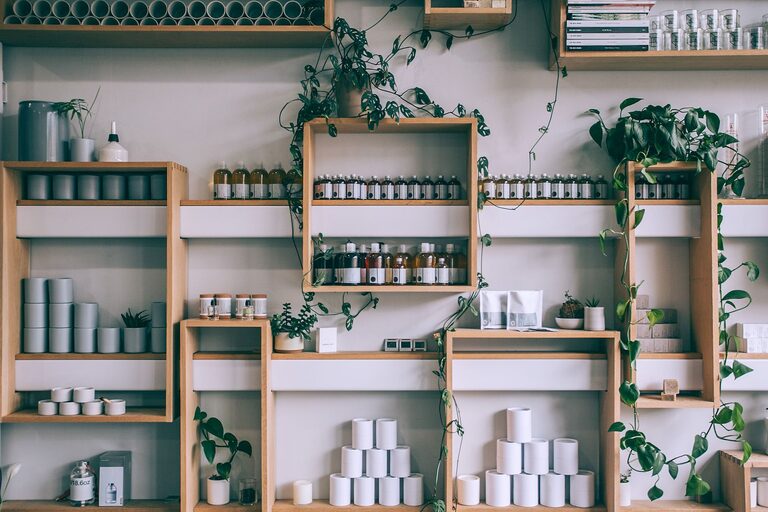
Tall bookcases and narrow shelving units use vertical space efficiently. Place them in living rooms, bedrooms, kitchens, or entryways. Adjustable shelves are especially useful because they can hold a mix of books, baskets, plants, and larger objects.
Choose a unit that is tall rather than wide, but make sure it is stable and properly secured to the wall. Keep heavier items on lower shelves to improve balance.
Add Wall Mounted Storage
Wall mounted shelves, pegboards, and hooks can hold small items while keeping surfaces clear. A pegboard works well in a home office, craft area, kitchen, or utility space because hooks and shelves can be rearranged as your needs change.
Use wall hooks for:
– Coats and hats
– Handbags and backpacks
– Cleaning tools
– Kitchen utensils
– Headphones and cables
– Keys and small accessories
A small row of hooks can prevent a busy entryway from becoming a pile of loose items.
Choose Furniture With Built In Storage
In a small home, furniture should work harder. Look for pieces that provide storage as well as their main function.
Use an Ottoman or Bench
An ottoman with a lift-up lid can store blankets, books, toys, or extra pillows. In an entryway, a storage bench provides a place to sit while also holding shoes, bags, or seasonal accessories.
Choose a style with a firm lid and sturdy construction. If the storage is used every day, avoid designs that are difficult to open.
Select a Bed With Storage
The area beneath a bed is one of the most useful storage zones in a bedroom. You can use a bed frame with built-in drawers or add low storage boxes underneath an existing frame.
Under-bed storage is ideal for:
– Extra bedding
– Off-season clothing
– Shoes
– Luggage
– Keepsakes
– Spare towels
Use containers with lids if the area is dusty. Clear boxes make it easier to find items, while fabric bags can be more flexible when space is tight.
Consider a Drop Leaf Table
A drop leaf table can serve as a dining table, desk, or workspace without taking up its full size all day. Fold down one or both sides when you need more open floor space.
This type of furniture is especially helpful in kitchens, dining areas, and multipurpose rooms.
Make the Most of Doors
Doors offer storage opportunities that are easy to overlook. Over-the-door organizers can hold shoes, accessories, cleaning supplies, pantry items, or bathroom products.
In a bedroom, use a door organizer for scarves, belts, and small bags. In a pantry, it can hold spices, snacks, or kitchen tools. In a bathroom, choose a moisture-resistant organizer for hair products and toiletries.
You can also install simple hooks on the inside of a closet or bedroom door. Just make sure the door can close properly and the added weight does not damage the hinges.
Improve Closet Storage
A small closet often feels crowded because the available space is not divided effectively. Adding a second hanging rod can double the area for shorter clothing such as shirts, skirts, and folded pants.
Other useful closet additions include:
– Shelf dividers for stacks of clothing
– Slim hangers to create more room
– Hanging organizers for shoes and accessories
– Bins for seasonal items
– Hooks for belts, bags, and scarves
– Pull-out baskets for folded pieces
Arrange clothing by type or frequency of use. Keep everyday items at eye level and move special occasion clothing to higher shelves or less accessible areas.
Use the Space Under Cabinets
The area beneath kitchen cabinets can hold more than you might expect. A magnetic strip can store metal utensils, while small adhesive hooks can hold measuring cups, towels, or lightweight tools.
Inside cabinets, use shelf risers and stackable bins to create extra levels. A narrow pull-out organizer can fit between appliances or cabinets and hold spices, bottles, or cleaning supplies.
In the bathroom, stackable drawers can make better use of the space beneath the sink. Store everyday products in the top drawer and less frequently used items below.
Create Storage in Awkward Areas
Unusual spaces can become useful when you choose storage that fits their shape.
A narrow gap between a refrigerator and a wall may hold a slim rolling cart. The space beneath a staircase can become a cabinet, bookshelf, or small work area. Corners can accommodate triangular shelves, tall baskets, or corner cabinets.
Measure these areas carefully before purchasing anything. A few inches can determine whether a storage unit fits comfortably or blocks movement.
Keep Everyday Clutter Contained
Small items can make a room feel messy even when larger belongings are organized. Use trays, baskets, and small containers to group similar things together.
For example, place a tray on a coffee table for remotes and reading glasses. Use a basket near the sofa for blankets. Keep mail in one container rather than allowing it to spread across several surfaces.
Choose containers that are easy to reach and simple to return items to. Storage only works when it is convenient enough to maintain.
Use Labels and Clear Categories
Labels are helpful when several people share a space or when items are stored out of sight. You do not need elaborate labels. A simple word or category is enough.
Useful categories might include:
– Cables
– Batteries
– Travel items
– Winter accessories
– School supplies
– Pet items
– Craft materials
Avoid creating too many categories. The goal is to make items easier to find, not to build a complicated system.
Keep the System Manageable
The best small space storage solution is one you can maintain. Leave a little empty space in drawers, shelves, and containers so new items do not immediately create clutter.
Set aside a few minutes each week to return items to their proper places. Every few months, review storage areas and remove things you no longer use.
When choosing new storage, ask three questions:
- Does it fit the space?
- Does it make daily life easier?
- Will it be simple to maintain?
If the answer is yes to all three, the solution is more likely to work in the long term. By combining vertical storage, multifunctional furniture, organized closets, and practical containers, even a small home can feel comfortable, useful, and uncluttered.



More Stories
Simple Tips for a Tidy Closet That Stays Organized